

Michigan Tech > Department of Physics > Research > Yap Lab
 

Yap Research Lab - Research

Home • People • Research • Publications • Facilities • Funding • Multimedia Gallery • News

Research Overview • Visitors


Ongoing Research Projects

Frontier Carbon Materials • Nanowires, Nanobelts, and Novel Nanostructures • Molecular Electronics • Chemical and Biological Sensors • Wide Band Gap Crystals


Frontier Carbon Materials

Carbon (C):
Boron Nitride (B-N):
Boron Carbon-Nitride (B-C-N):
Carbon Nitride (C-N):
Nanotubes and new nanostructures
Thin films, nanotubes, and new nanostructures

CNB Chart

The arrangement of carbon atoms differentiates a pencil lead from a pricey jewel. Pencil lead consists of graphite where carbon atoms are sp2 hybridized for three covalent bonds . In diamonds, carbon atoms are sp3 hybridized for four bonds in a tetrahedral configuration. Graphite is soft, semi-metallic, and dark (zero energy band gap), while diamond is super-hard, insulating, and transparent (band gap = 5.4 eV). In the past three decades, new carbon materials like fullerenes, and carbon nanotubes (CNTs) have attracted tremendous research interest and have led to a Nobel Prize. Clearly, the change of bond hybridization and molecular packing among carbon atoms can make very exciting new materials.

Materials within the B-C-N triangular zone offer new vistas for materials research. They include thin films and nanostructures of carbon, or compounds constructed of multiple elements using B, C and N atoms: the smallest atoms that can form the strongest covalent bonds in solids. These materials are commonly called frontier carbon materials because of their flexibility to form various covalent bonds like those in pure carbon solids. Clearly, the ability to control bond hybridization, molecular packing, and composition of these materials is important to create new materials. They could possibly be useful for protective coatings, high-power electronics, and nanoscale devices: indispensable materials for the advancement of science in the new century.

In addition to investigating how to control the arrangement of B, C, and N atoms, the functions of kinetic energy of the growth species, potential energy of the growth species, and the role of catalysts in controlling bonding between B, C, and N atoms will be explored. The goal is to create new thin films and nanostructures of boron nitride, carbon nitride and boron-carbon-nitride with desired physical properties.

BN Phase Transformation

sp2 to sp3 phase transformation of BN films

CN Phase Transformation

sp2 to sp3 phase transformation of CN films

BCN Fibrous Nanostructure

B-C-N fibrous nanostructures

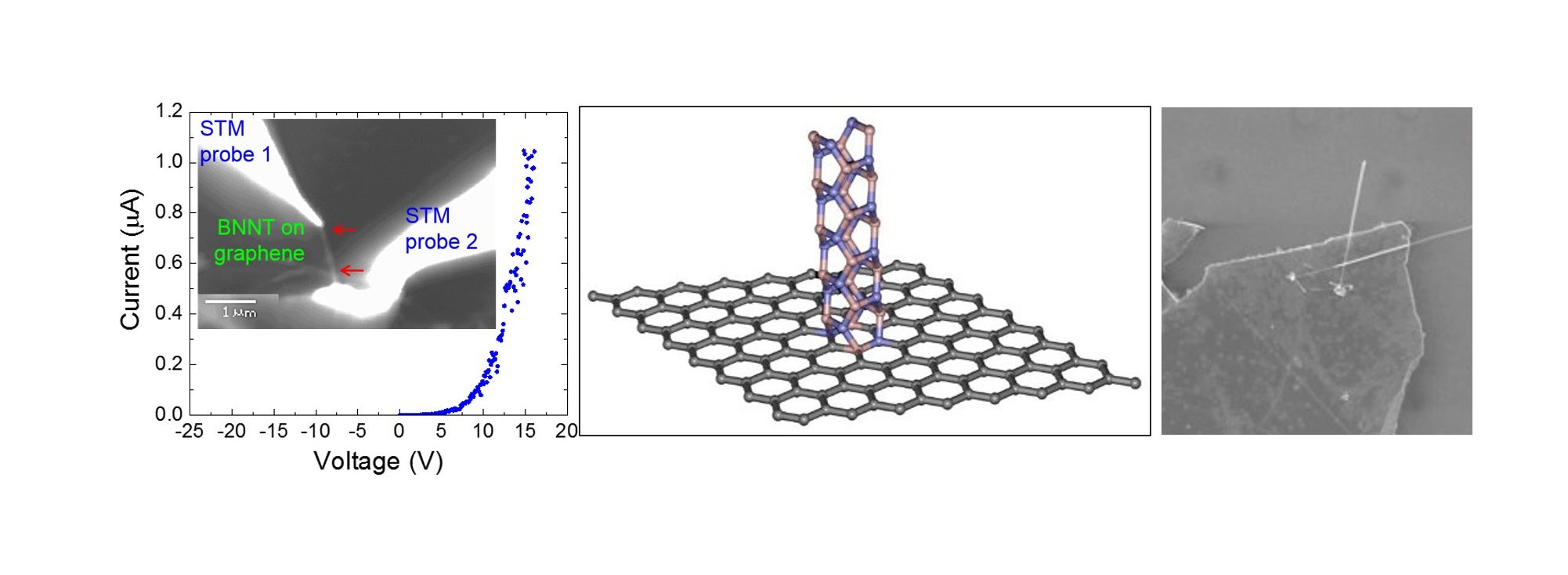
BN Nanotubes

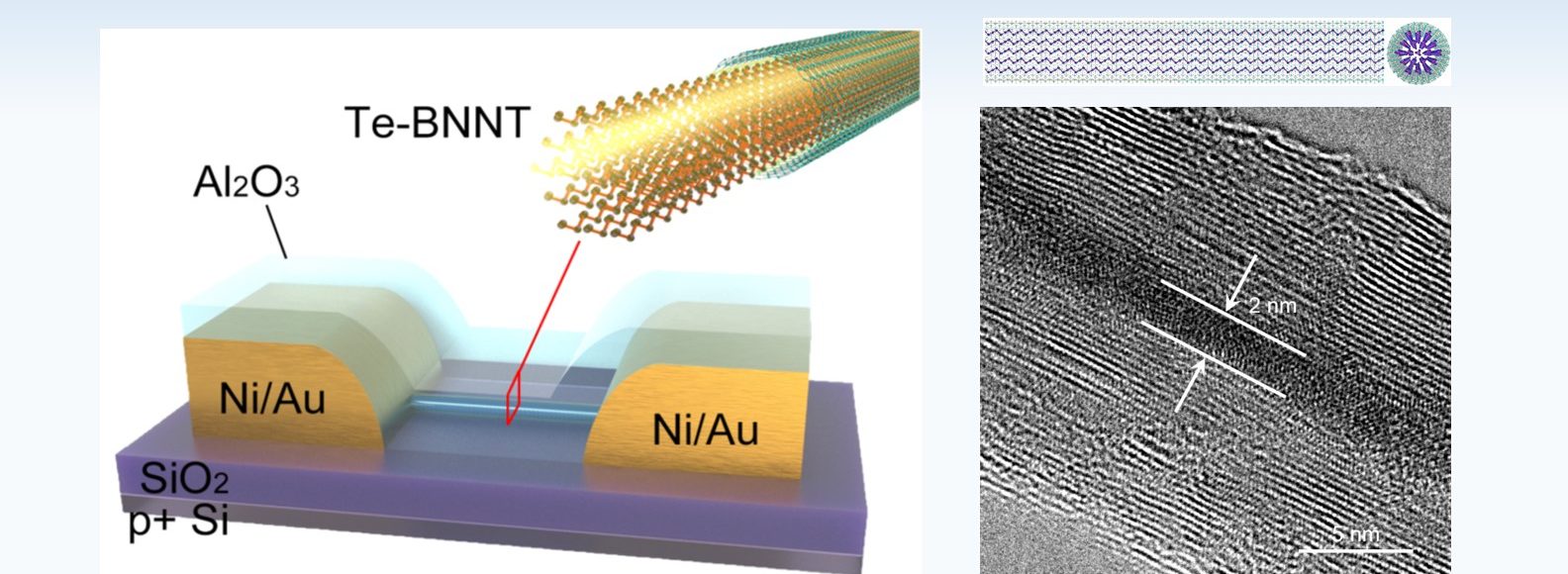
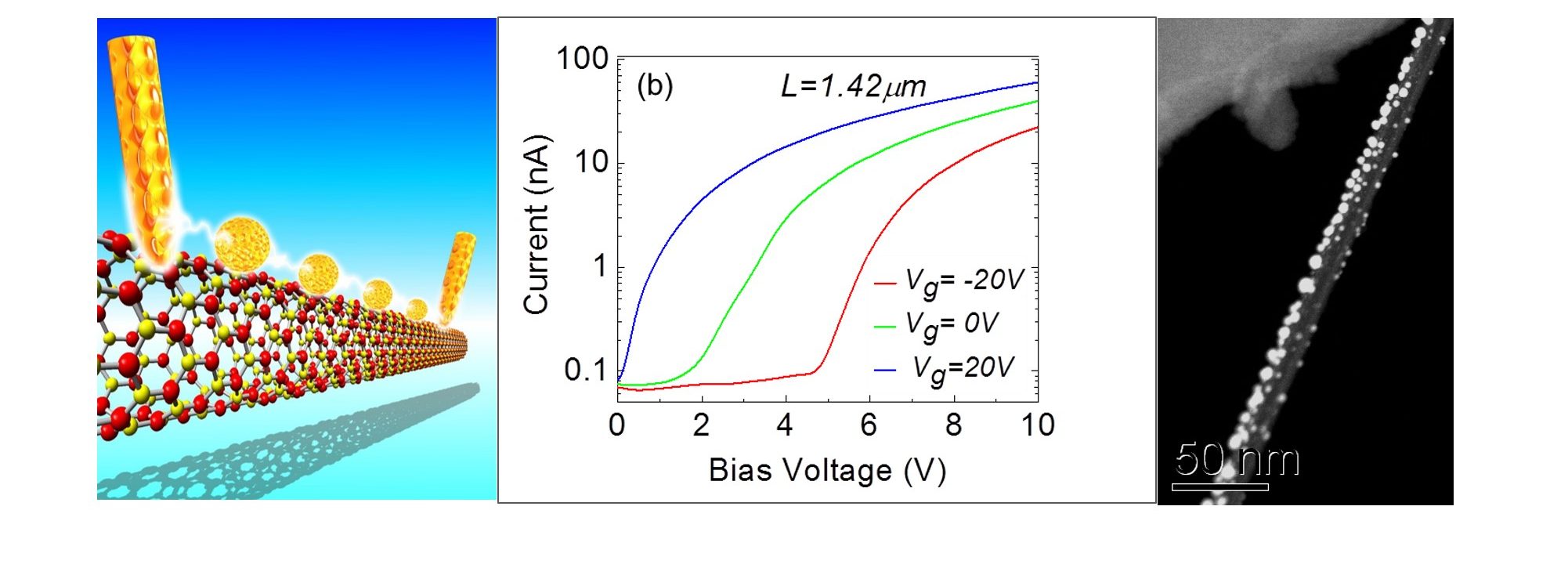
Boron nitride nanotubes

BN Nanotube Bundles

Vertical bundles of boron nitride nanotubes

MWCNT

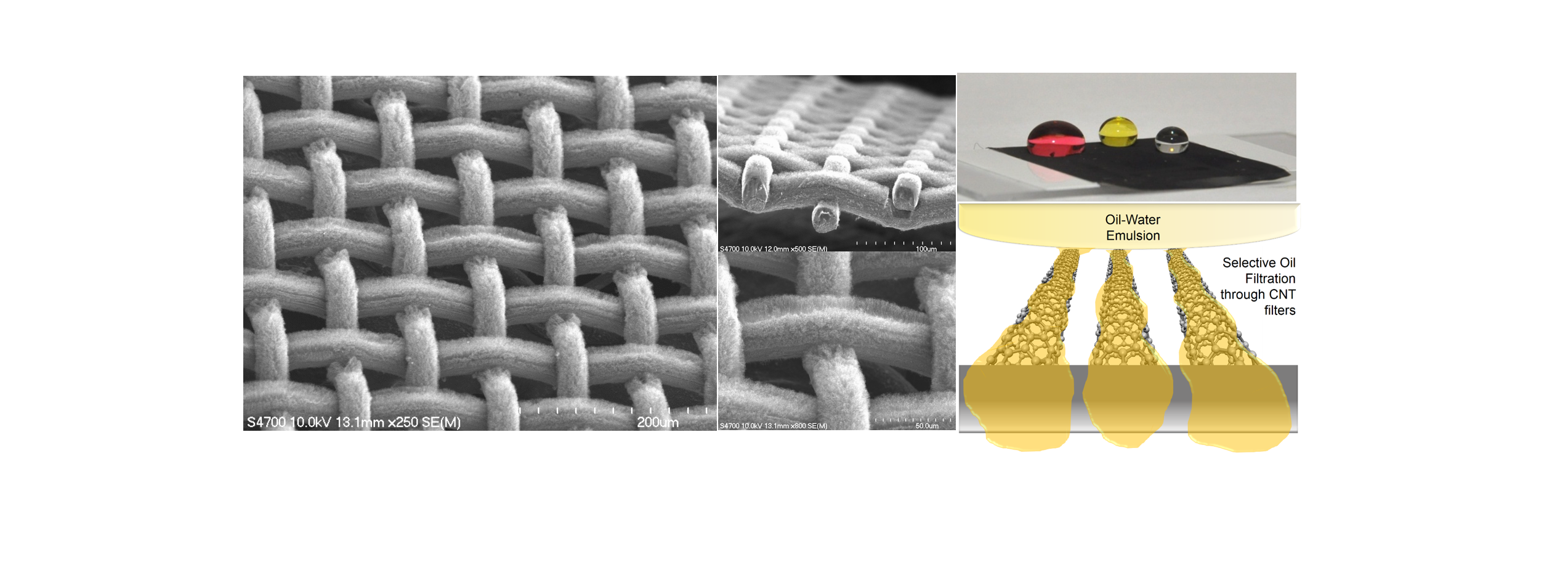
Multiwalled carbon nanotubes

MWCNT

Multiwalled carbon nanotubes

MWCNT

Multiwalled carbon nanotubes

MWNT

Multiwalled carbon nanotubes

SWCNT

Bundle of single wall CNTs

DWCNT

Double wall CNTs


Dr. Yoke Khin Yap
Fisher 219
906.487.2900
ykyap@mtu.edu
Department of Physics
Michigan Technological University

 Michigan Tech